
Are Walk-In Tubs Hard to Maintain? Walk-In Bathtub Maintenance Tips & More
If you’re researching a walk-in tub, you’re probably asking the right question: are walk in tubs hard to maintain? The honest answer is: they don’t have to be—but like any premium tub (especially a therapy tub with a jet system), they stay in great shape when you follow a simple routine. The good news is most upkeep is quick, and the “big” clean is usually a once-a-month habit.
In this guide, you’ll learn maintenance tips that help you clean your walk-in tub, prevent buildup, and keep everything clean and safe—including how to handle jets, the door seal, and the drain. If you’re considering a new walk-in bathtub so you can age in place, these tips will help you feel confident before you request a free quote.
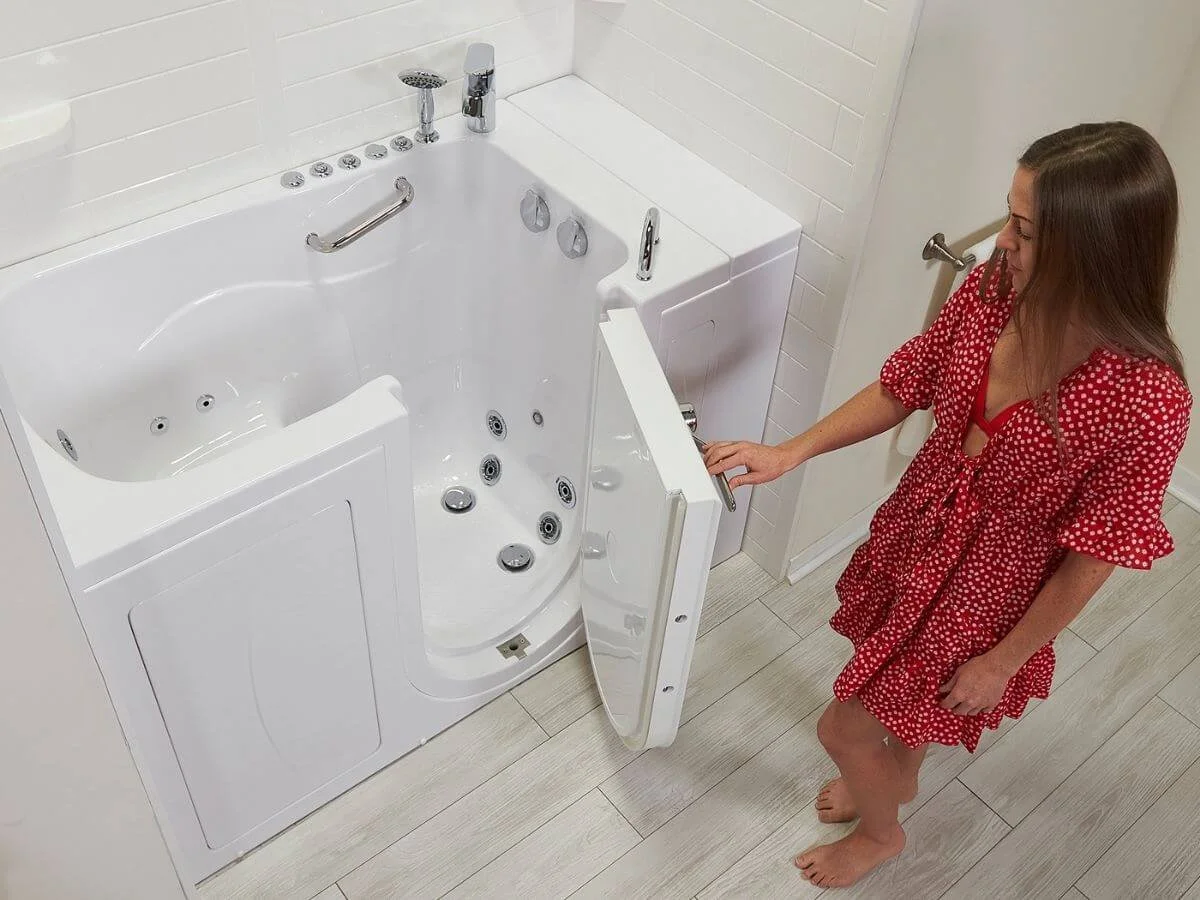
Most walk-in tub maintenance is quick: wipe down surfaces, rinse after use, and keep the door seal clean.
Maintenance Outline (what we’ll cover)
Are walk in tubs hard to maintain compared to a regular bathtub?
Weekly cleaning: the fast routine that prevents buildup
Rinse habits after each bath: what to do in 60 seconds
Cleaning a walk-in tub door and seal (so it stays watertight)
Deep clean: how to keep jets fresh and the tub smelling clean
Monthly cleaning checklist: what to do once a month
What cleaning products are safe for acrylic and finishes?
How to remove soap scum and body oils without scratching
Mold and mildew prevention: ventilation, drying, and best habits
When to always call a professional
Are walk in tubs hard to maintain compared to a regular bathtub?
A walk-in tub isn’t automatically harder to maintain than a standard bathtub, but it does have a few extra parts to care for—mainly the door seal and (if included) the jet system. Think of it like owning an upgraded bath tub: you get more comfort and accessibility, and in return you do a few small habits to keep it performing well.
Most of the time, the hardest part is simply being consistent. A quick wipe-down of the surface of your tub after use and a light routine weekly cleaning schedule prevents most issues before they start. If you’ve ever dealt with stubborn film in a standard tub, you already know the trick: don’t let soap and water dry in place and turn into buildup.
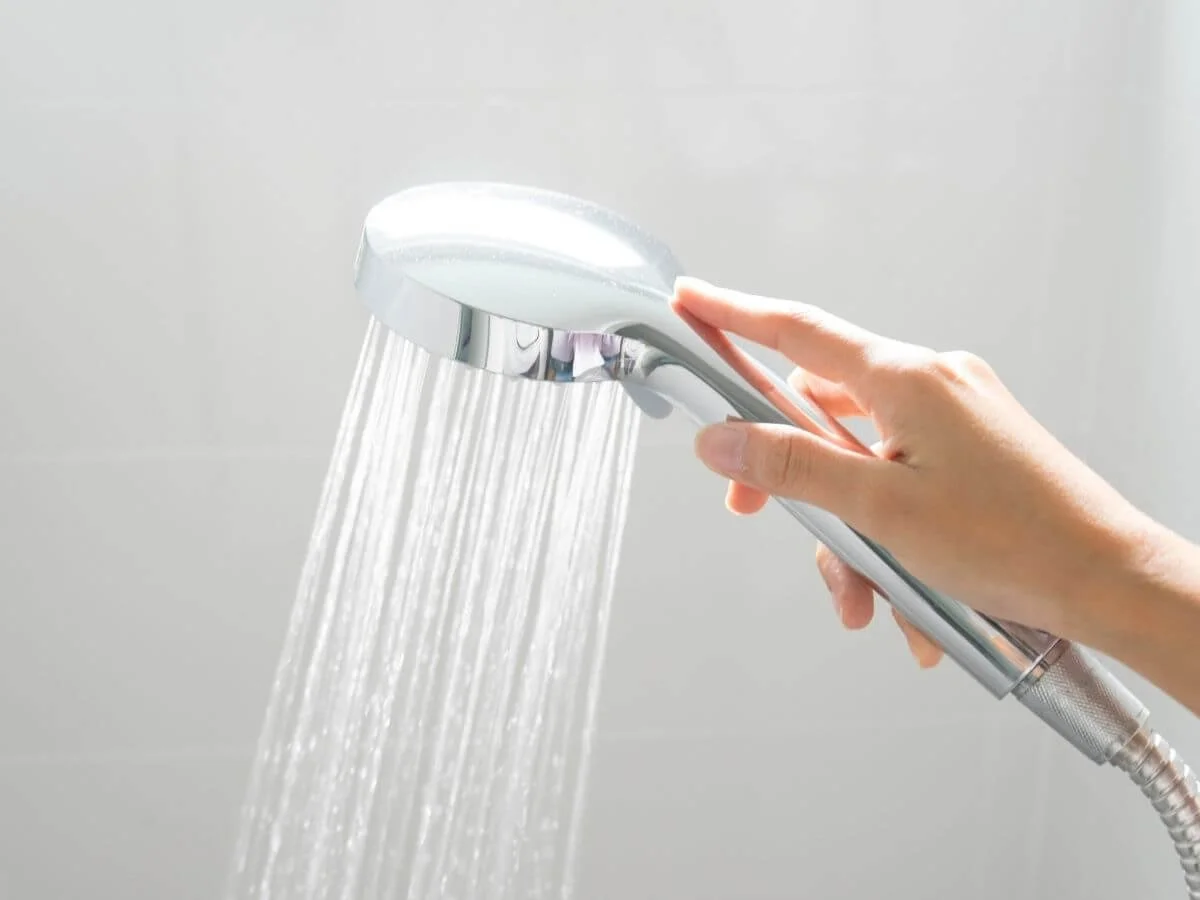
Simple walk-in tub maintenance: rinse the interior, wipe away soap scum, and keep the door area clean and dry.
Weekly cleaning: the fast routine that prevents buildup
Your weekly cleaning routine can be simple and quick—5 to 10 minutes. Start by using a shower wand or handheld sprayer to rinse the interior surfaces. Then use a soft cloth or a sponge with mild household detergents to wipe everything down. If you do this weekly, you’ll reduce the need for harsh cleaning products later while maintaining your walk-in tub.
Avoid anything too abrasive because it can dull the surface—especially if your tub is acrylic. It’s better to use a non-abrasive cleaner and gentle cleaning materials than to scrub aggressively. Over time, harsh methods can cause the finish to look tired or dull over time, especially on high-contact areas like the seat and threshold.
Rinse after each bath: a simple habit that keeps your walk-in tub looking great
After each use, your best habit is to rinse it out with warm water. This helps remove soap residue, body oils, and minerals before they dry. When you’re done bathing, take 30–60 seconds to wipe down the surfaces and you’ll prevent a lot of later frustration.
A great “micro routine” is: quick rinse, then use a cloth to wipe the water away. If you can, dry the surfaces around the door and seams. This is a big part of keeping your walk-in setup fresh and preventing streaking and film. It also keeps your walk-in tub looking newer longer and helps it sparkle.
Cleaning a walk-in tub door and seal: what to watch for over time
The door area is the one part of a walk-in tub that standard tubs don’t have, so it deserves a little extra attention. When you clean, gently wipe the seal area with a damp cloth and mild cleaner. Don’t use harsh chemicals on rubber seals unless the manufacturer specifically says it’s OK—this can damage the seal door over time.
After cleaning, make sure the seal area is dry. A little moisture trapped around the door can lead to odors or residue, and that’s what gives people the impression they need to clean your tub constantly. You don’t—just keep the door seal clean and dry, and you’ll avoid most issues.

Walk-in therapy tub jet maintenance: To keep your walk-in tub smelling fresh and performing its best, run a monthly jet deep clean—fill the tub with warm water above the jets, turn on the jets to flush the lines, then drain and rinse thoroughly (always follow the manufacturer’s instructions).
Deep clean: how to keep jets fresh in a walk-in therapy tub
If your model is a walk-in therapy tub with a jet system, the biggest “extra” task is an occasional deep clean of the jets. This isn’t difficult, but it matters. Follow a routine that flushes the lines so soap and oils don’t collect inside. That’s how you keep your therapy tub smelling fresh and performing well.
A common approach is to fill the tub with warm water above the jets, then turn on the jets and let them run. This is where the “do what the manual says” rule matters—always follow the instructions from your tub manufacturer. Some systems recommend a tub-safe cleaner; some allow a small amount of disinfecting solution. Don’t improvise if you’re unsure—especially with an expensive tub.
Monthly cleaning: a simple checklist to keep it sparkling clean
A once-a-month routine is the sweet spot for most homeowners. Your monthly cleaning should include a full wipe-down, attention to the door seal, and (if applicable) a jet flush. This keeps you on a consistent deep cleaning schedule without turning maintenance into a chore.
Here’s a simple monthly approach:
Deep clean the interior and seat
Check the drain area for hair or residue
Clean around the door seal and hinges
If you have jets, do a flush cycle: fill, run, drain, rinse
Finish by wipe out the tub and keep it sparkling
This is how you keep your tub in tip-top shape year-round.
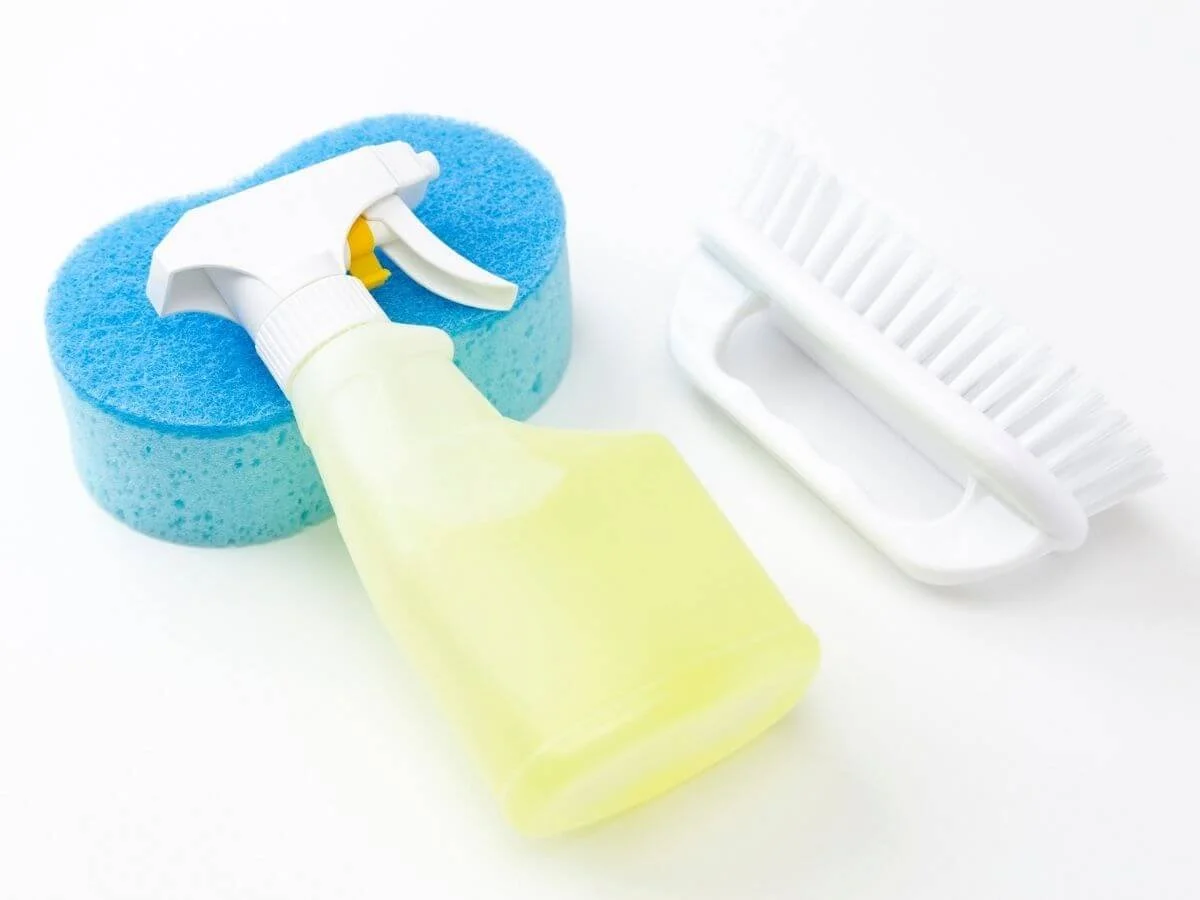
Use non-abrasive cleaning products, a soft cloth, and a sponge to clean a walk-in tub without scratching the acrylic finish.
What cleaning products are safe for acrylic and finishes?
Most walk-in tubs are built with durable finishes, often acrylic, but that doesn’t mean “anything goes.” The safest approach is to use a mild cleaner and a soft cloth. Choose non-abrasive options and avoid using harsh powders or gritty pastes that can scratch.
A few important “don’ts”:
Avoid wire brushes and wire brushes of any kind
Avoid using anything that feels gritty or sharp
Skip overly aggressive pads that can dull the surface
If you like natural solutions, some people use baking soda gently—just make sure it’s applied in a way that doesn’t act like an abrasive scrub. When in doubt, use mild household detergents and rinse thoroughly.
How to remove soap scum and body oils without scratching
Soap scum is common in any bathtub, but it can build up faster if you use bath oils. The key is to remove it early. Use a sponge or surfaces with a soft cloth and a safe cleaner. You want to remove soap scum before it hardens into a stubborn layer.
If you notice film or residue, focus on steady, gentle cleaning instead of aggressive force. A light scrub with a safe, non-abrasive cleaner is better than using harsh tools. The goal is to remove soap scum and water marks, then wipe it away completely so it doesn’t return.
Mold and mildew prevention: keeping it clean and safe
One of the biggest concerns people have is mold and mildew—especially if the bathroom doesn’t ventilate well. The best fix is prevention: airflow and drying. Run your fan, crack the door, and do a quick wipe of wet spots. That’s the core of preventing mold and avoiding that musty smell.
You only need to mention it once, so here it is: mildew happens when moisture lingers. If you keep the door seal and corners dry, you dramatically reduce the chance of problems. Quick habits—like using a towel to dry the surfaces—go a long way toward staying sparkling clean and clean and safe.
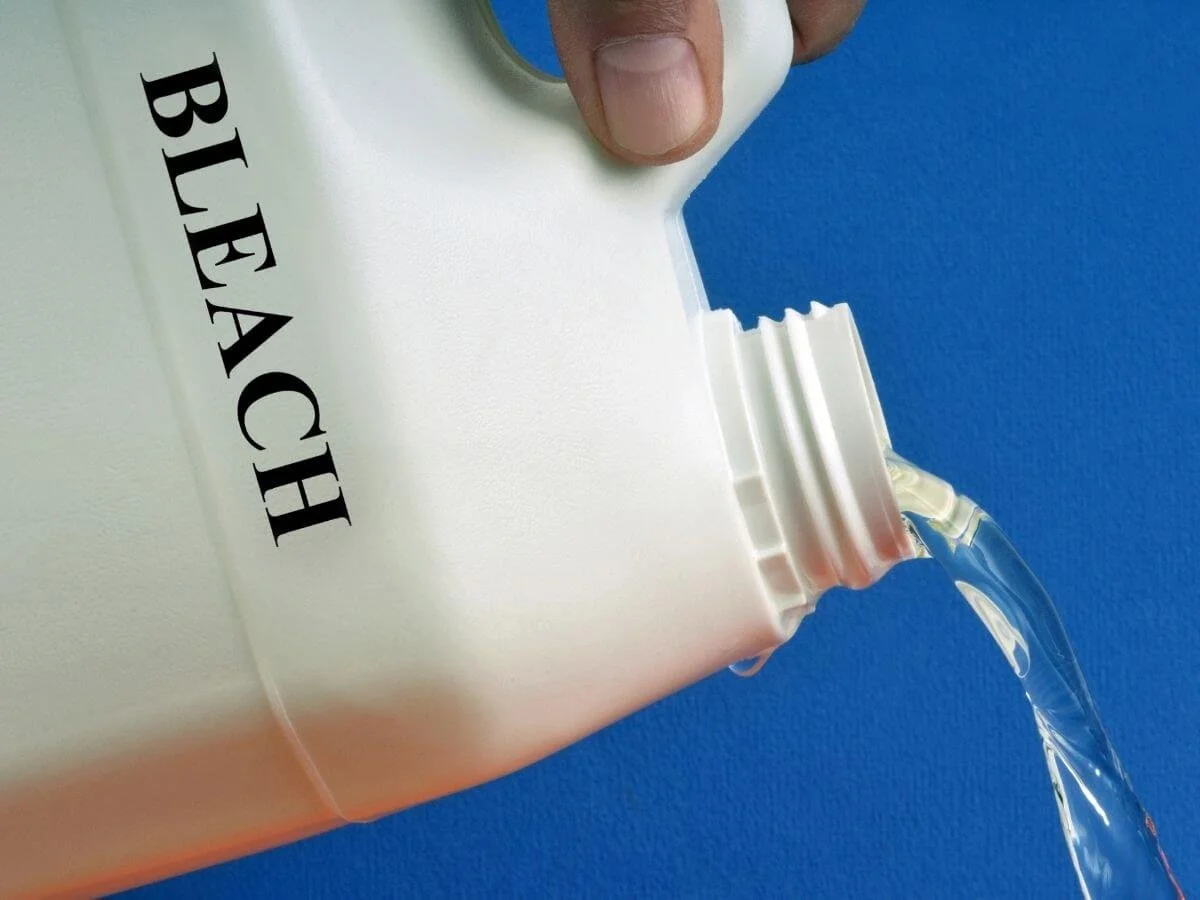
Deep cleaning jets with bleach: only if approved
Some homeowners ask about bleach for sanitizing. In many cases, manufacturers have specific guidance about whether a small amount is allowed for jet cleaning. If your manual approves it, you may see instructions like using a cup of bleach during a jet flush cycle. If not, don’t do it—using the wrong chemicals can damage internal parts.
If you do use it (again, only if approved), remember to flush thoroughly. You may need to drain the tub, refill, and rinse again. The goal is to sanitize without leaving harsh residue behind.
When you should always call a professional
Most maintenance is DIY, but there are times you should always call a professional:
The door seal is leaking or not closing correctly
Jets aren’t functioning properly, or you smell odors after cleaning
The drain is slow and you can’t clear it safely
You suspect electrical or pump issues in a jetted model
A pro can diagnose quickly and protect your warranty—especially important with a premium walk-in unit.
Key takeaways to remember
A walk-in tub isn’t hard to maintain if you follow a simple routine.
Do quick rinse + wipe habits after use to prevent soap and oil buildup.
Weekly cleaning with a soft cloth and non-abrasive products keeps the tub looking new.
Monthly cleaning plus a jet flush (if applicable) is usually all you need.
Keep the door seal clean and dry to prevent odors and protect performance.
Avoid abrasive tools and avoid wire brushes—protect the acrylic finish.
Follow the instructions for your specific model, especially for jets and disinfecting.
If you’re considering a new walk-in bathtub and want pricing, installation timelines, and remodeling options, you can request a free walk-in tub quote and compare what fits your bathroom and budget.